
24 hours beforeDay -1
“What I really wish is that I’d just gotten the facts sooner and not hesitated.”
Pre-op nerves, what she’s most looking forward to, and why good information — not courage — was the piece she’d been missing.
Watch · 1:56A surgeon-authored guide to jaw surgery: what it corrects, how recovery really goes, and the real patient journeys behind it.
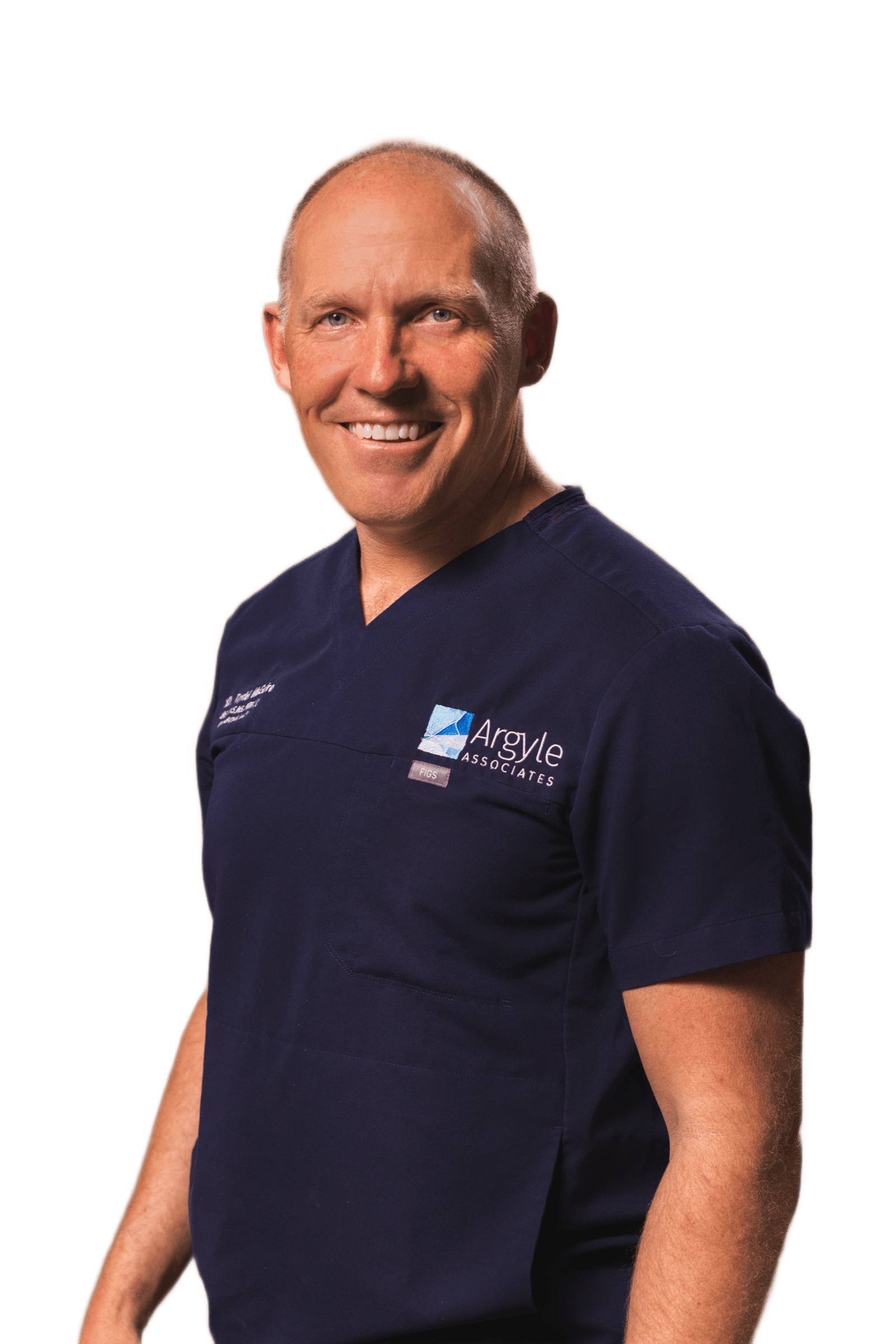
Most jaw-surgery information online is frightening, incomplete, or trying to sell you something.
Good explanations are hard to find, so I recorded my own.
In this short introduction I'll tell you what this site covers and how to use it.
Coming soonMy introduction is being filmed now. In the meantime, the full library is ready to explore.
One patient, filmed at three moments: the day before surgery, one week later, and one month on. No horror stories. Just how it actually went.
Featured patient · de-identified, shared with consent · not an endorsement
The misconceptions I hear most, and clear walk-throughs of how the surgery actually works, answered straight, in a few minutes each.
More Than a Cosmetic Change
The functional problems corrective jaw surgery solves, and why better aesthetics are a by-product.
Recovery, Week by Week
What the 9–12 month healing arc really looks like, from the first days to long-term follow-up.
Jaw Surgery for Sleep Apnea
How maxillomandibular advancement opens the airway, and who might be a candidate.
Corrective jaw (orthognathic) surgery is not purely cosmetic, but aesthetics are not an afterthought either. Function, bite, and appearance are treated as three equally important pillars. The goal is a result that works correctly and looks harmonious, because the two are inseparable.
Most of my patients go home the same day or the following morning after surgery. Swelling peaks around two to three days post-op and begins to subside quickly after that. Patients are typically on a soft, no-chew diet as early as 24 hours post-op. By four weeks, swelling has subsided enough that most people wouldn't notice anything was done. Most patients return to work or school one to two weeks post-op, and by six weeks the majority are cleared to return to normal eating and sports.
Because the jaws move, the profile changes. Aesthetics are taken into careful consideration throughout planning to ensure the result is both functional and looks harmonious. The degree to which your face looks different depends entirely on the specific movements required to achieve the best result for your individual anatomy.
General dentists handle routine care; oral & maxillofacial surgeons complete years of additional hospital-based training for jaw repositioning, complex extractions, and anesthesia. Jaw misalignment affecting chewing, TMJ pain from skeletal imbalance, or sleep apnea linked to jaw position are common referral reasons.
Patient journeys, plain-language explainers, myth-busting, and quick watches, all in one place, organized so you can find what you need.
Your portal has the pre-op and post-op protocols, recovery checklists, and the documents Dr. McGuire recommends for his patients.
For Dr. McGuire's patients only. Access is provided by the practice team.